
I have always had a special connection with Tobago.
My maternal grandmother, who I am very close with, was born in there. She is no longer in this realm, however I feel more connected to her whenever I visit our sister Isle.
We can all agree Tobago is paradise. God took his good old time when he created this island. Our sister isle is the place to be if you want to reset, rest and connect. Tobago has some of the best beaches in the Caribbean PERIOD (this is not open for debate). If you are looking for adventure, there are lots of activities that you can engage in for example; you can take a swim in the Nylon Pool, visit the Coral Reef, check out the local birds (I don’t mean females) or you can take a walk through the Rain Forest.
Although there are lots of activities to keep you occupied in Tobago this isle is also very rich in history. Like Trinidad, Tobago has changed hands many times and there are many reminders of Tobago’s fascinating past on the island that have been well preserved.
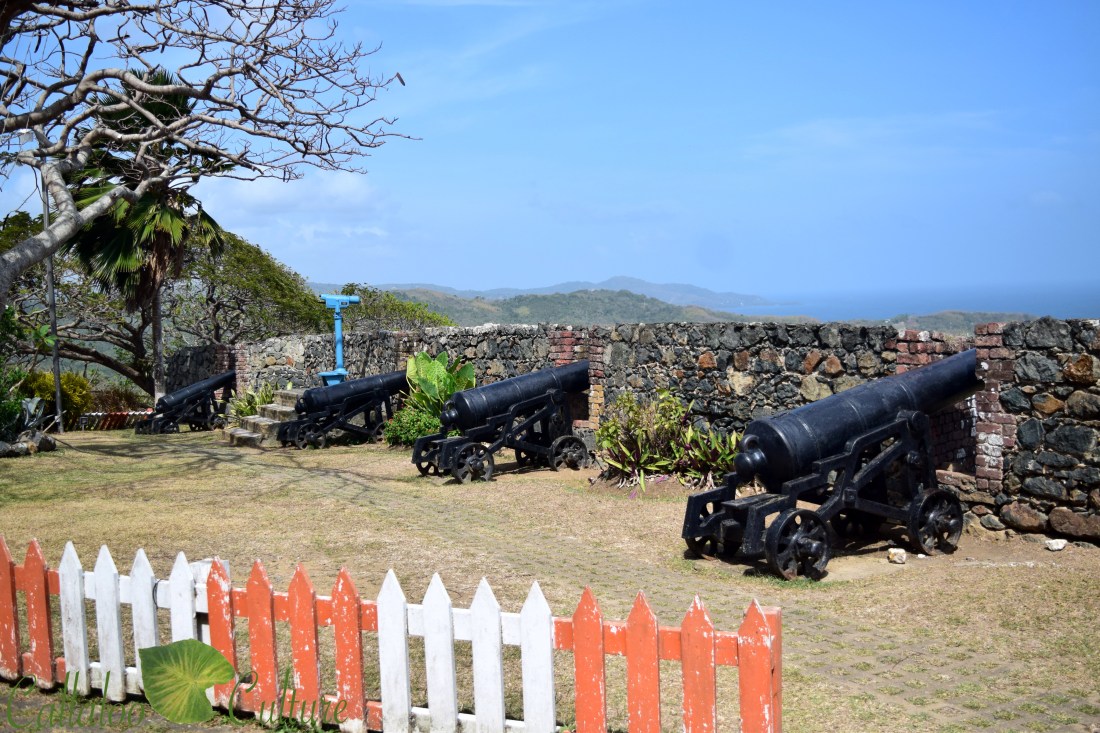
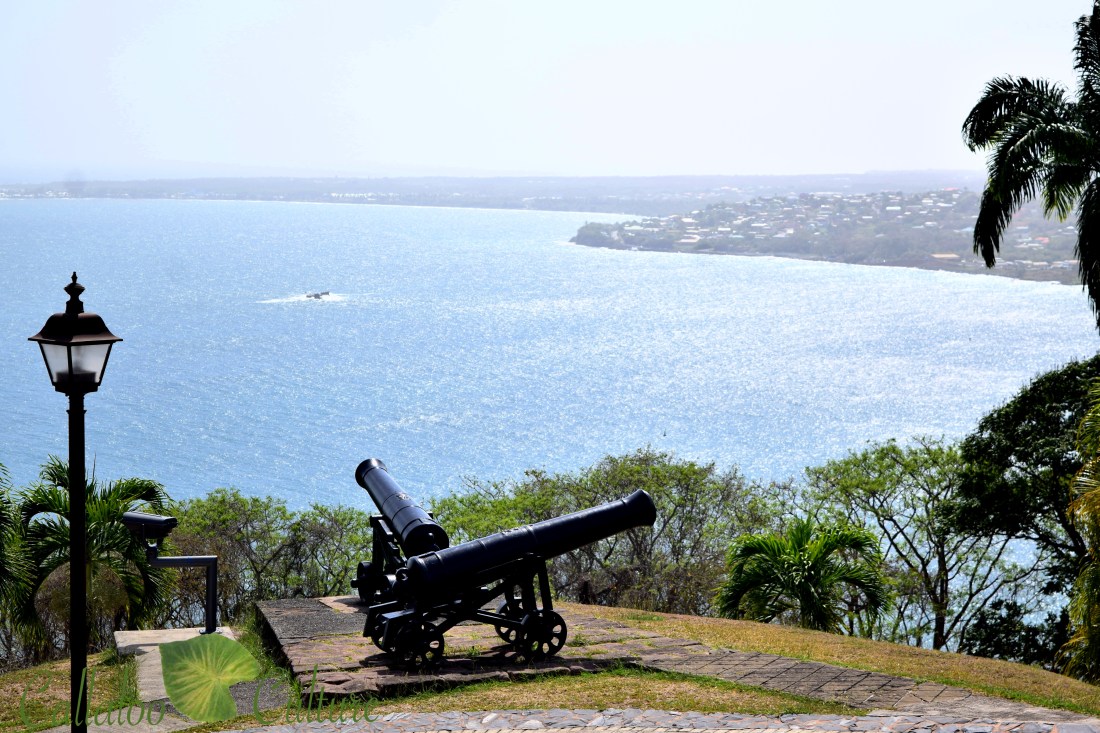
On the hills of the capital of Scarborough are the watchers on the wall. No. I’m not talking about Jon Snow and his brothers of the Night’s Watch but the cannons that once, defended and protected this beautiful island.
Unlike the virgin cannons that sit valiantly on the walls of Fort George in Trinidad, that were mentioned in my previous blog Unspent Balls these cannons have seen some serious action. My fantasy about war, spent cannon balls, gunpowder and victory have now been vindicated.
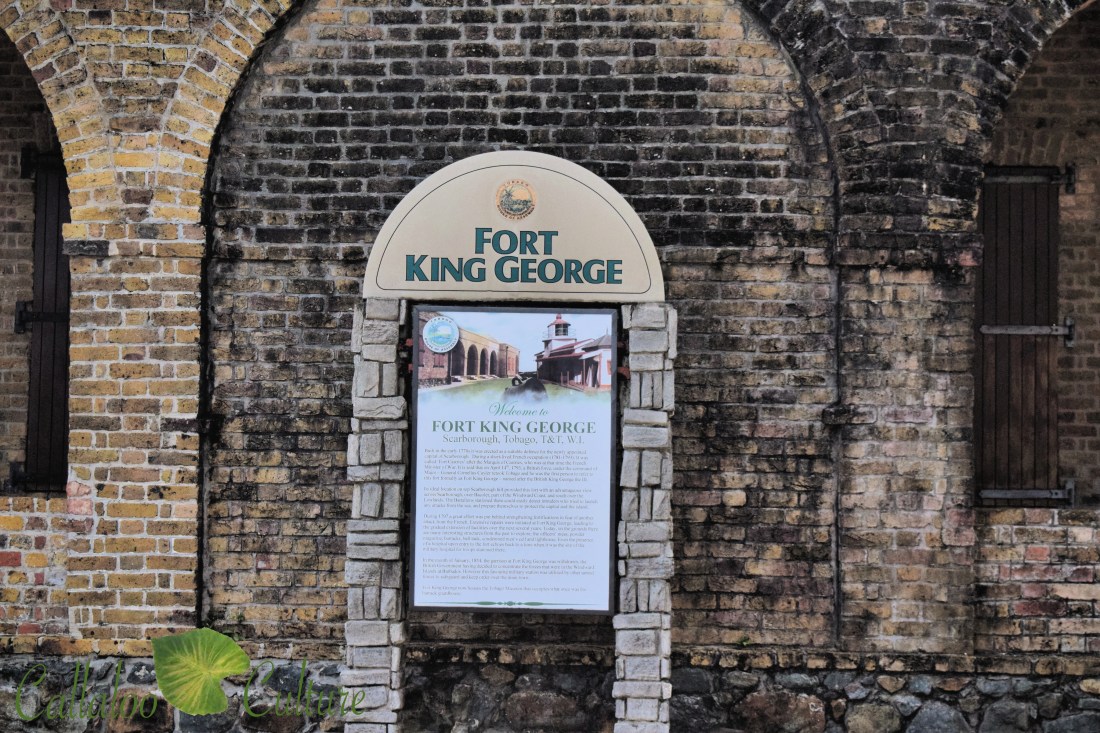
Fort King George – Not to be confused with Fort George in (Trinidad) was constructed by the British in the 1770’s. It was named after King George The Third who ruled Great Britain and Ireland from 1760. After the unity of three major countries in 1801, he ruled as King over Great Britain, United Kingdom and Ireland until his death in 1820.
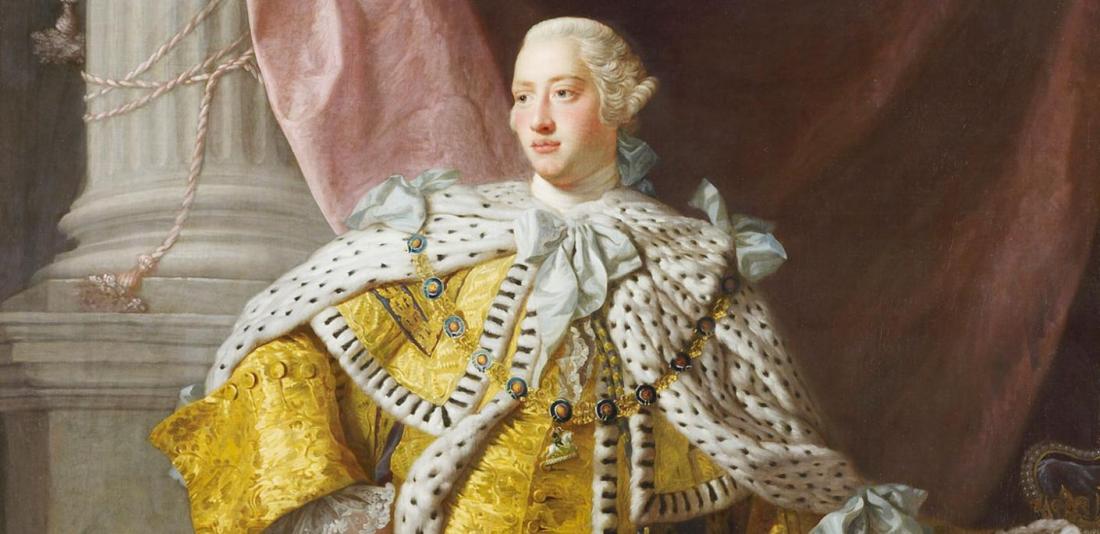
History has it that King George III ruled over these countries during a tumultuous period. His rule was during the American Revolutionary War after which America gained its independence from the crown. King George III reign was one of the longest in history beating Queen Victoria. This record for longest Monarch has now been overturned by Queen Elizabeth II who celebrated her Sapphire Jubilee commemorating her 65year rule – in 2017. Talk about Woman POWER!
When word spread that Christopher Columbus rediscovered the New World on behalf of the Spanish Monarch, the race was on by other the Empires to acquire these new lands and their resources in order to gain more wealth. The Spanish, British, French, Dutch and the Portuguese were constantly at each other’s throats to gain control over these new territories.

British Governor and General of Grenada and Tobago Lord George Macarthey, gave approval for construction of two barracks on the Hill of Scarborough in October 1777. These camps were to house two companies of soldiers. The work was near completion in 1779.
Then, out of now where, BOOM! A War!!!! The Fort was not yet completed, The British soldiers tried as hard as they could but their muskets and swords were not enough to defend the island against the French. In June 1781 The French took custody of the island and sent the British packing.
Under the instruction of French General Blanchelande construction on the Fort commenced in 1784. The building of the Fort came to a stand still in 1785 and was later resumed in 1786 under the command of Count Dillion. Now completed the French named it “Fort Castries”. It was later renamed “Fort Republique” and then after the garrison revolted it was renamed “Fort Liberte” . The British, not willing to accept defeat, came back with a vengeance and recaptured Tobago in 1793.
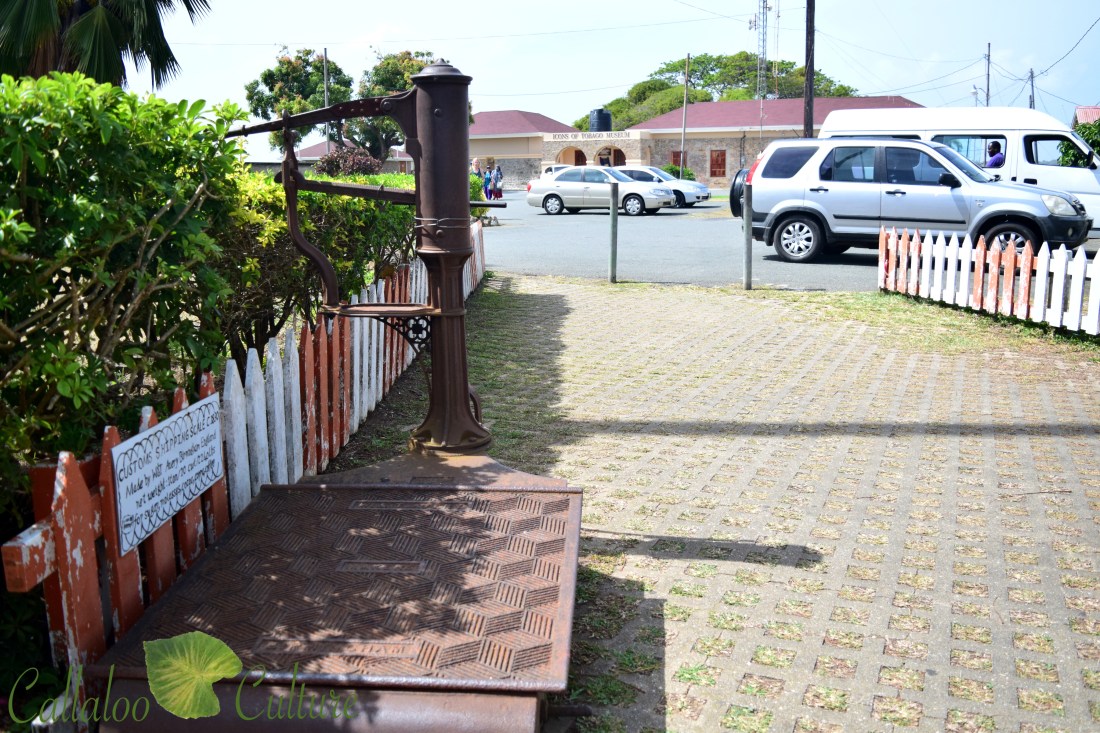
In 1801, France struck back! Cannons roared, the smell of gunpowder filled the air, spent shells laid scattered on the ground and soldiers fell at the hands of their enemy. France won that battle, but their victory was short lived as the British regained control of the island in 1803. The British then renamed the Fort King George.
Sadly, the Fort fell not at the hands of a potential ruler but by a natural disaster. In 1847 a hurricane flattened the fort. Most of the buildings were damaged or destroyed. A garrison was erected until 1854.
Today the Fort has been restored to its former glory and will be renamed to Fort King George Heritage Park.
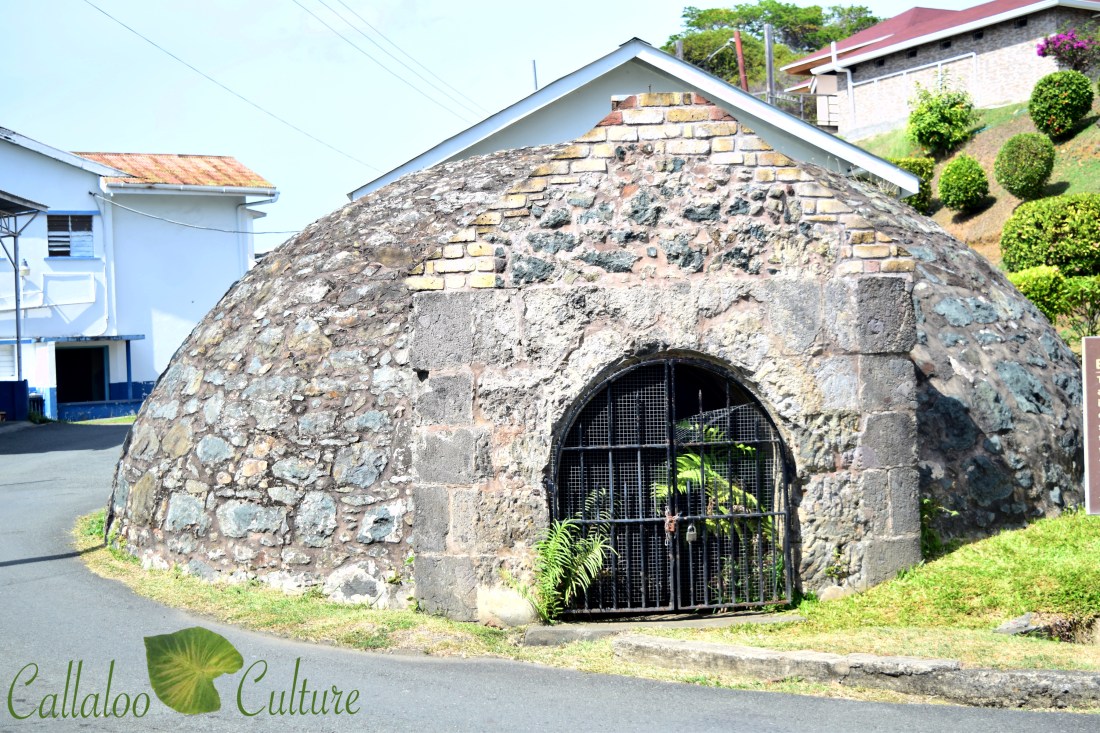
I don’t know about you, but visiting historical places always makes me wish that I had that time machine and a radio active cave as seen in the Netflix series Dark. I would love to be able to go back in time to witness the action that would have taken place in Tobago on that Fort.
Today, the Fort is one of Tobago’s main attraction for tourist and locals. Many visitors ensure that Fort King George is on their itinerary when they visit Tobago. The grounds are beautifully maintained and the picturesque view of the island and ocean below is breathtaking. There are no words that I can use to describe the scenery on top of Scarborough’s Hill it is something that you have to experience yourself.
There is much to see and experience on your visit to the Fort. On site there is the prisoner’s bell tank, barracks and officers mess and the old armoury. There is also the museum on site which was once a once a barrack guard house. Inside is filled with documents from the colonial period, artefacts from our indigenous people and War Relics. Sadly I visited on a public holiday so the museum was closed. Also on the grounds of the Fort is Tobago’s Light House which is still operational how cool is that?
The next time you visit Tobago make it your priority to visit Fort King George.
I guarantee you will not regret it!
Blessings
Callaloo Culture
References:
Figure 2f from: Irimia R, Gottschling M (2016) Taxonomic revision of Rochefortia Sw. (Ehretiaceae, Boraginales). Biodiversity Data Journal 4: E7720. https://doi.org/10.3897/BDJ.4.e7720. (n.d.). doi:10.3897/bdj.4.e7720.figure2f
Yurtoğlu, N. (2018). http://www.historystudies.net/dergi//birinci-dunya-savasinda-bir-asayis-sorunu-sebinkarahisar-ermeni-isyani20181092a4a8f.pdf. History Studies International Journal of History,10(7), 241-264. doi:10.9737/hist.2018.658
Categories: Uncategorized
 callalooculture.com