


The Canboulay riots were the genesis of Carnival.
Because the Canboulay riots occurred, all creeds and races for two days, can purchase a costume from a mass band of choice and parade in the streets with their “fren and dem”, jumping up and wining down to some “incredible” soca music. Because of the struggles of our ancestors and what they endured, and fought for Carnival as we know it exists and has evolved into what it is today. But sadly, when I posted pictures on Facebook of my experiences at the Canboulay riots 2016, most people had no clue that this programme was on every year, most were not even aware that these events actually took place.
Having done Caribbean history at secondary and tertiary levels, I actually had knowledge of this and many other riots that were important to the development and transformation of Trinidad and Tobago. That coupled with the fact that my cousin Mrs. Analicia Boyce – Hall who is one of the best tour guides in Trinidad and Tobago always encouraged me to attend the Canboulay reenactment she always reiterated “this is something every Trinidadian should experience at least once”, especially since we all, well most of us love carnival. To be honest, I ignored her invitation for many years simply because my ass was too lazy to get out of my bed at 3am, (especially if I attended a fete the night before) to go where for 4am? NOPE NOT I.

It was not until my photojournalism class of 2016 that required us to take photos of something Carnival related, that was not “beads and feathers” that I listened to my cousin and found myself, you guessed it at 4am on Piccadilly Street to witness this reenactment. Carnival 2017 found a good friend of mine (photography guru) Shaun Rambaran and I there by 3:30am determined to get a good vantage spot. In the two years that I have attend the show, I have one complaint, one disappointment the lack of attendance, especially by the youth. Sure, the residents of Piccadilly Street and environs came out and fill up the bleachers, but what’s up with the rest of the population? I agree sleep is important, Carnival is once a year and most people don’t want to miss patronizing their favorite events but isn’t our history and culture equally important?
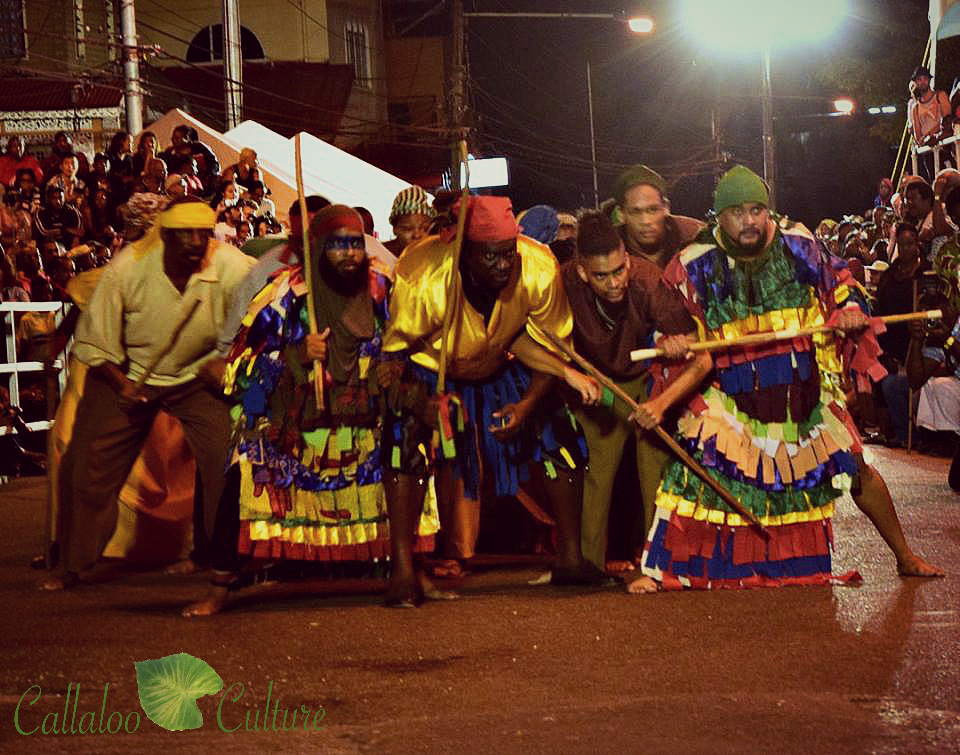
Canboulay Riots – The Rundown.
In a nut shell, slave owners noticed in the 18th century that their slaves would put on masks and dance this was done as a part of religious rituals and as a form of entertainment among themselves. The “whites” and “free cloured” folks decided to bandit these elements for their own amusement and decided to stage elaborate masquerade balls at Christmas as a “farewell to the flesh” before the Lenten season.
The slaves of course, were not allowed to participate in these activates although this was something that came from them. The slaves, now forbidden from practicing their art would secretly, mimic their masters while they held their extravagant mascaraed balls. After the emancipation of the slaves in 1838, this became a symbol of freedom and defiance. The emancipated slaves initially celebrated their acquired freedom on August 1st but these celebrations soon evolved into Carnival. Participants began carrying burning sugar canes or “cannes brulees” which were soon called Canboulay. Carnival soon featured dancing by men and women who wore masks. People also gathered in Kaiso tents where a “chantwell” or lead singer would lead them in a song to vent their feelings, usually their frustration at the former slave owners or the government. Early Carnival activates were also marred by clashes between groups and revelers carrying sticks and lighted torches.
Captain Arthur Baker who became the head of Police in Trinidad in the early 1880, the biggest kill joy of all time, was determined to end the Canboulay as a “threat to public order” In 1881 Trinidad’s police force clashed with revellers in Port of Spain who had banded against the police for a battle that was more epic that than the “Battle of the Bastards”…. Ok, maybe not that epic. The British government attempted to ban Canboulay in 1881 caused deep resentment within Trinidadian society towards the governments use and abuse of power. The list of forbidden activates grew as: 1883 drumming was banned and in 1884 stick fighting was banned, tamboo bamboo was introduced in the 1890’s as a replacement for drumming.
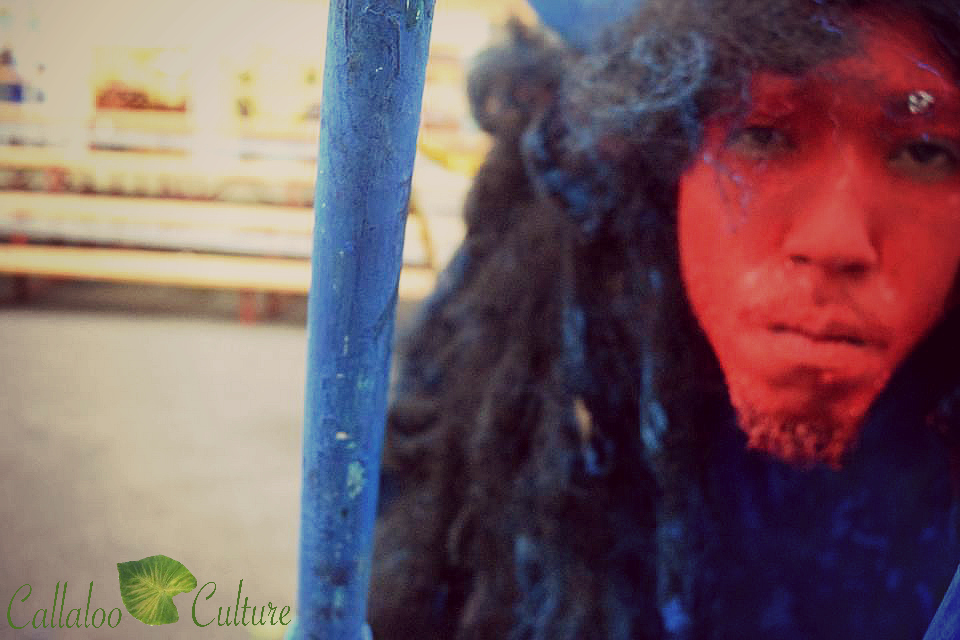
The rest is history, which sadly many of my countrymen do not know. To be totally honest, although I knew what happened during these riots, nothing came close to actually seeing, it unfolding before my eyes. In that moment, I felt proud. Proud that my ancestors of actually stood for something, proud of my history and proud of my culture as a citizen of Trinidad and Tobago. I truly hope that this activity is something that does not die, but would gain some traction and grow into something bigger. Don’t get me wrong, by no means am I judging or condemning anybody for not attending the festivities, in my humble opinion knowing where you came from, and exhibiting some sort of national pride is essential to a society. My goal with this particular post is to bring awareness to the Canboulay festivities in hopes that more of the youth would attend and understand and appreciate how our Carnival “The greatest show on Eath” came into existence. I hope to see some of you next year (Gods willing).
Blessings!
Callaloo Culture
For further information on Canboulay follow these links:
http://caribbean-beat.com/issue-108/rituals-resistance#axzz4tz199ITi
http://history-is-made-at-night.blogspot.com/2007/02/trinidad-carnival.html
http://digitalcommons.buffalostate.edu/cgi/viewcontent.cgi?article=1002&context=exposition
For information regarding Canboulay celebrations in your area follow this link:
References:
https://en.wikipedia.org/wiki/Canboulay_riots
http://digitalcommons.buffalostate.edu/cgi/viewcontent.cgi?article=1002&context=exposition
Categories: Uncategorized
 callalooculture.com
Great post and an amazing goal. It’s really important to know where we came from, what our ancestors had to endure for us to enjoy the privileges we enjoy today.
LikeLike
Thank you glad you liked it
LikeLike
Very informative post! I thoroughly enjoyed the content along with your experience having spectated this sensitive event. Its very important that the younger ones gather knowledge of our cultural background, I think by doing this they may further learn to appreciate Trinidad and Tobago. We need to segregate “real patriotism” to “bandwagon patriotism”
LikeLike
Correct
LikeLike